
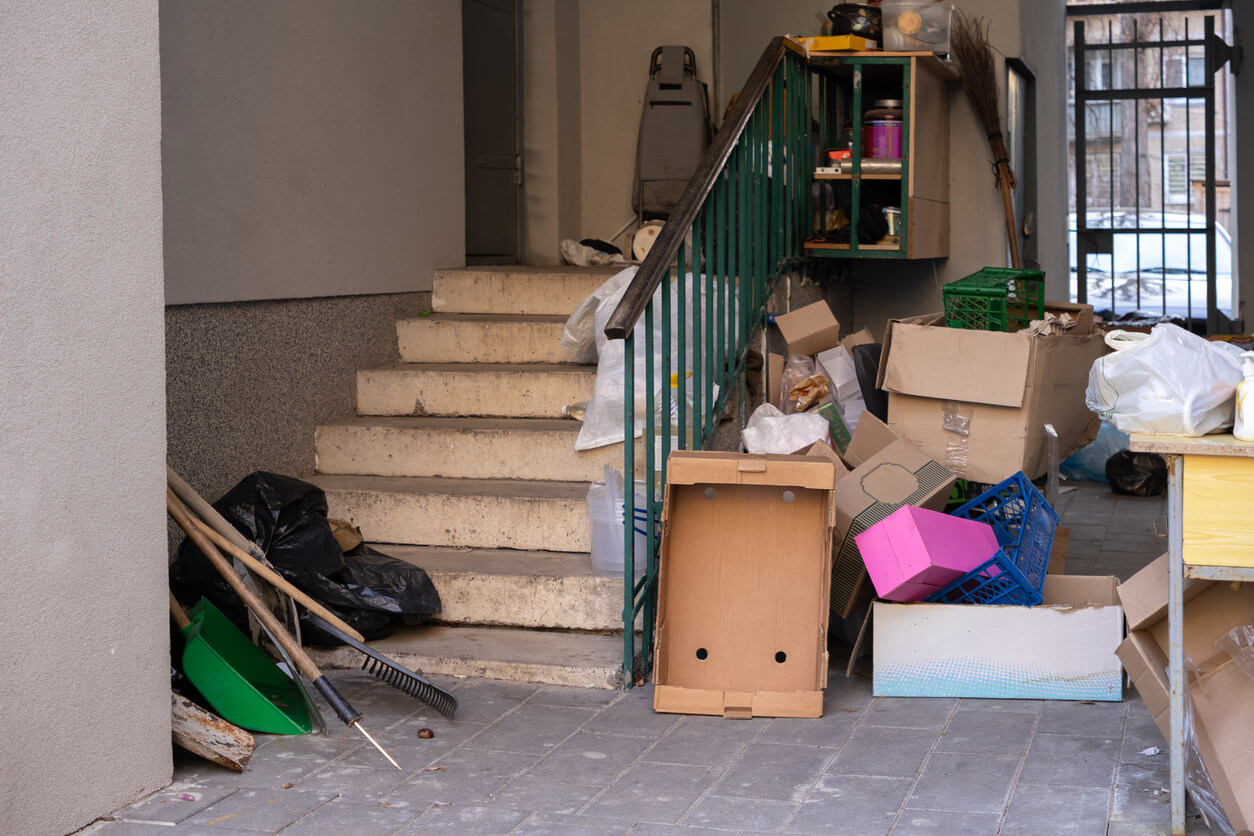
When a tenancy goes sideways, the obvious problem is getting possession of the unit back. The less obvious problem often shows up after the tenant is gone: furniture in the bedroom, bags of clothing in the closet, food in the freezer, tools in the garage, maybe even a vehicle parked outside. In other words, the tenant left belongings behind, and now the landlord is stuck with another legal and practical headache.
This is where many landlords make an expensive mistake. They assume that once the tenant is out, everything left in the rental instantly becomes garbage. That is not how Alberta law works. Abandoned property has to be handled carefully, and if you move too fast, throw out the wrong items, or fail to follow the proper process, you can create a second dispute right after the first one.
For landlords in Edmonton and across Alberta, the safest approach is to treat abandoned goods as a legal issue, not just a cleanup issue. A rushed dump run can turn into a claim for compensation. A poorly documented removal can leave you unable to defend your actions later. And if emotions are already high, one wrong step can pour gasoline on the fire.
What Counts as Abandoned Goods in Alberta?
Abandoned goods are personal belongings left behind by a tenant after they have vacated the rental premises, whether voluntarily or after an eviction. This can include obvious household items like beds, sofas, dishes, electronics, clothing, bicycles, and boxes of personal papers. It can also include less obvious items such as tools, business inventory, family keepsakes, or medication.
The key issue is not whether the landlord finds the items annoying or inconvenient. The issue is whether the goods still belong to the former tenant and whether Alberta’s rules require the landlord to store, document, or dispose of them in a certain way. Landlords cannot simply declare property abandoned because they want the suite turned over faster.
In practice, the situation is rarely neat. Some tenants leave with a U-Haul and still abandon half their possessions. Others disappear overnight, leaving a unit that looks as if dinner was interrupted mid-bite. Sometimes the tenant has clearly surrendered possession. Sometimes they are still trying to negotiate access. That grey area matters, because the way you respond should be guided by evidence, timing, and compliance with Alberta requirements.
Why Landlords Need to Slow Down Before Touching Anything
When a rental unit is finally back under your control, the temptation is to clean first and ask questions later. That instinct is understandable. You want to stop the bleeding, get contractors in, and prepare the property for a new tenant. But abandoned goods are one of those areas where speed can cost more than delay.
Think of it like finding a locked briefcase in a unit after a difficult tenancy. It might contain junk. It might contain tax records, family photos, or expensive equipment. If you toss it without documenting anything, you are gambling with someone else’s property rights and your own legal exposure. The same logic applies to that pile of bags in the hallway or the sectional sofa no one wants to move.
Landlords should avoid self-help shortcuts. Do not sell items immediately. Do not let staff, trades, or neighbours take things. Do not assume low-value items have no legal significance. And do not allow frustration with the former tenant to shape your decisions. Courts and tribunals care much more about process than about how difficult the tenant was.
Alberta Landlords Must Follow the Proper Process
Under Alberta landlord-tenant rules, landlords may have obligations regarding storage, notice, valuation, and disposal of abandoned property. The exact steps can depend on the circumstances and the apparent value of the goods. What matters most is that landlords act reasonably, document thoroughly, and comply with the Residential Tenancies Act and related requirements.
As a practical matter, landlords should begin by creating a clear record of what was left behind. That means taking detailed photographs and video of each room before anything is moved. Capture wide shots and close-ups. Open drawers and closets carefully if needed to identify contents, but do not rummage carelessly. If there are serial numbers on electronics, tools, or appliances, record them. If there are labels on boxes, note those too.
Next, prepare a written inventory. It does not need to read like a museum catalogue, but it should be specific enough that another person could understand what was present. “Miscellaneous junk” is not a useful description. “Three black garbage bags of clothing, one Samsung television with cracked screen, one red CCM bicycle, one queen mattress, two boxes of kitchenware” is much better.
Once the goods are documented, the landlord must consider whether the items appear to have value and whether they must be stored for a period of time. This is where many landlords benefit from professional guidance. The legal rules may seem simple at first glance, but they become more complicated when there are mixed-value items, possible sentimental property, or uncertainty about whether the tenant truly abandoned the premises.
Storage Obligations Are Not Optional When Value Is Involved
If the goods appear to have value above the applicable threshold, landlords may be required to store them for a set period rather than disposing of them right away. This is one of the most important points in any abandoned goods situation. A landlord who skips storage when storage is required can end up facing a claim that easily outweighs the cost of doing things properly.
Storage does not mean tossing everything into an unsecured shed and hoping for the best. The items should be kept in a reasonably safe place. That could mean secured on-site storage in some cases, or off-site storage in others. The goal is to preserve the goods in substantially the same condition while the required process unfolds.
There is also a cost issue. Landlords understandably do not want to spend money warehousing someone else’s belongings. But the law does not disappear because storage is inconvenient. In some cases, landlords may later recover allowable costs or apply sale proceeds in a lawful way. Still, that only works if the landlord followed the proper steps from the beginning.
What if the Items Seem Worthless?
Not every abandoned unit contains property worth preserving. Sometimes what is left behind is genuinely refuse: broken particleboard furniture, stained mattresses, spoiled food, torn bags, empty containers, and debris. Alberta rules may allow different treatment where goods are unsanitary, unsafe, or clearly below the relevant value threshold.
Even then, landlords should resist the urge to eyeball the pile and make assumptions. Value is not always obvious. A dusty tool case may contain hundreds of dollars’ worth of equipment. A shoebox of papers may include passports, birth certificates, or legal records. A “junk” dresser drawer may contain jewelry. If you are wrong, “I thought it looked worthless” is a weak defence.
The better approach is to inspect carefully, document what was found, and make a reasoned decision supported by evidence. If there is any doubt, get advice before disposal. That is especially true in higher-conflict files, where a former tenant may already be looking for grounds to challenge your conduct.
Notice to the Former Tenant Matters
Where possible, landlords should provide notice to the former tenant about the abandoned goods and any deadlines or conditions that apply. Even when the relationship has completely broken down, written notice helps demonstrate that the landlord acted fairly and transparently.
Notice should be practical and well documented. Send it to the tenant’s last known email, mailing address, and any other contact method regularly used during the tenancy, if appropriate. Keep copies of everything. If the tenant later claims they had no idea their property was being stored or disposed of, your records become your shield.
A good notice process also reduces confusion. Sometimes former tenants do want their property back but assume they are barred from returning. Sometimes they only want a few personal items and are willing to abandon the rest. Sometimes a short, clear notice is enough to move the matter toward resolution without another formal dispute.
Special Care With Personal Documents, Photos, and Sensitive Items
Certain items deserve extra caution, even if their resale value is low. Family photographs, identification documents, immigration papers, tax records, medical information, and children’s belongings may not fetch much money, but they can be deeply important. Throwing them out carelessly can create both legal risk and reputational damage.
Landlords should also be careful with anything that could contain personal or confidential information. In an era of identity theft and privacy concerns, a box of papers is not just clutter. It may contain bank statements, health cards, passports, or employment files. Those items should be handled securely, not left in a common area or tossed into an open bin behind the building.
If firearms, illegal substances, hazardous materials, or suspected stolen property are discovered, the landlord should stop and seek the appropriate professional or legal guidance immediately. Those items raise issues far beyond ordinary abandoned goods and should not be handled casually.
Vehicles, Trailers, and Large Items Can Complicate Everything
A tenant left belongings behind can be difficult enough inside the unit. It gets even messier when the abandoned property includes a vehicle, trailer, or oversized equipment. A car in the parking stall is not the same as a bag of clothes in the closet. Different rules, towing concerns, ownership issues, and notice requirements may come into play.
Large items also create practical pressure. They block turnover, interfere with repairs, and can cost real money to remove and store. But again, inconvenience does not replace process. Before arranging towing, sale, or disposal, landlords should make sure they are acting within the law and documenting each step.
This is often where experienced eviction support becomes valuable. The issue is no longer just “How do I clean this suite?” but “How do I recover possession, protect myself, and avoid a fresh dispute over property handling?” Those are not the same question.
Documentation Is Your Best Protection
If there is one habit that separates protected landlords from exposed landlords, it is documentation. Good records turn a stressful, messy event into a defensible file. Poor records turn even a reasonable decision into a credibility contest.
Your file should include photographs, video, a written inventory, copies of notices sent, storage receipts, contractor invoices, removal costs, witness notes if relevant, and a timeline of events. Record when possession was recovered, when the goods were discovered, what appeared to have value, what was stored, and what was disposed of. If you spoke to the former tenant, note the date, time, and substance of the conversation.
Imagine trying to explain six months later why a laptop was missing, why a couch was discarded, or why a tenant was denied access to retrieve personal effects. Memory fades fast. A written record does not. In disputes involving abandoned property, the party with the better paper trail often starts several steps ahead.
Common Mistakes Alberta Landlords Should Avoid
One of the biggest mistakes is treating everything left behind as trash. Another is allowing movers, maintenance staff, or new tenants to take items before the legal status of those goods is clear. Once property leaves your control without documentation, your position weakens immediately.
Another common error is mixing abandoned goods with cleaning and repair work. If contractors enter and start hauling things away before an inventory is completed, you may lose the ability to prove what was there in the first place. The same goes for rushing to renovate before storage obligations are considered.
Landlords also get into trouble when they communicate informally and inconsistently. A text saying “come get your stuff whenever” can create confusion if access is later restricted. A verbal agreement is hard to prove. A file handled with clear written communication is far easier to defend.
Finally, many landlords wait too long to get help. By the time they call for advice, the goods have already been dumped, sold, or scattered. At that point, the goal is damage control, not prevention.
When to Get Professional Help
Abandoned goods issues often arrive attached to bigger tenancy disputes: unpaid rent, property damage, illegal occupants, repeated breaches, or a formal eviction already in motion. In those cases, the belongings are not a side note. They are part of the overall risk picture.
If you are unsure whether the goods must be stored, how notice should be handled, whether you can recover costs, or how to deal with a former tenant demanding entry, it makes sense to get guidance early. The right advice at the beginning can save weeks of confusion and a costly misstep.
For landlords in Edmonton and throughout Alberta, professional eviction support can help you move through the process in a way that is legally grounded and practically efficient. That matters because abandoned property cases are rarely just about old furniture. They are about control, evidence, compliance, and protecting your investment.
Final Thoughts for Landlords Dealing With Abandoned Goods
When the tenant left belongings behind, it may feel like the tenancy problem is over and a cleanup problem has begun. In reality, the legal obligations may still be very much alive. What you do in the next 24 to 72 hours can shape whether the matter ends quietly or spins into another claim.
The safest path is straightforward: document everything, assess value carefully, store goods when required, provide proper notice, protect sensitive items, and avoid emotional or impulsive decisions. If the situation is unclear, do not guess. A rental property is a business, and abandoned goods should be handled with the same discipline you would bring to any other legal and financial risk.
A bad tenancy can already feel like driving with a slow leak in your tire. Mishandling abandoned property is what happens when you keep pushing down the highway and hope the wheel stays on. It is far better to stop, inspect the damage, and deal with it properly before the whole thing gets more expensive.
If you are facing an eviction, a possession issue, or uncertainty about property left behind in a rental unit, getting experienced support can help you protect your rights and move forward with far less stress.